
On Sleep
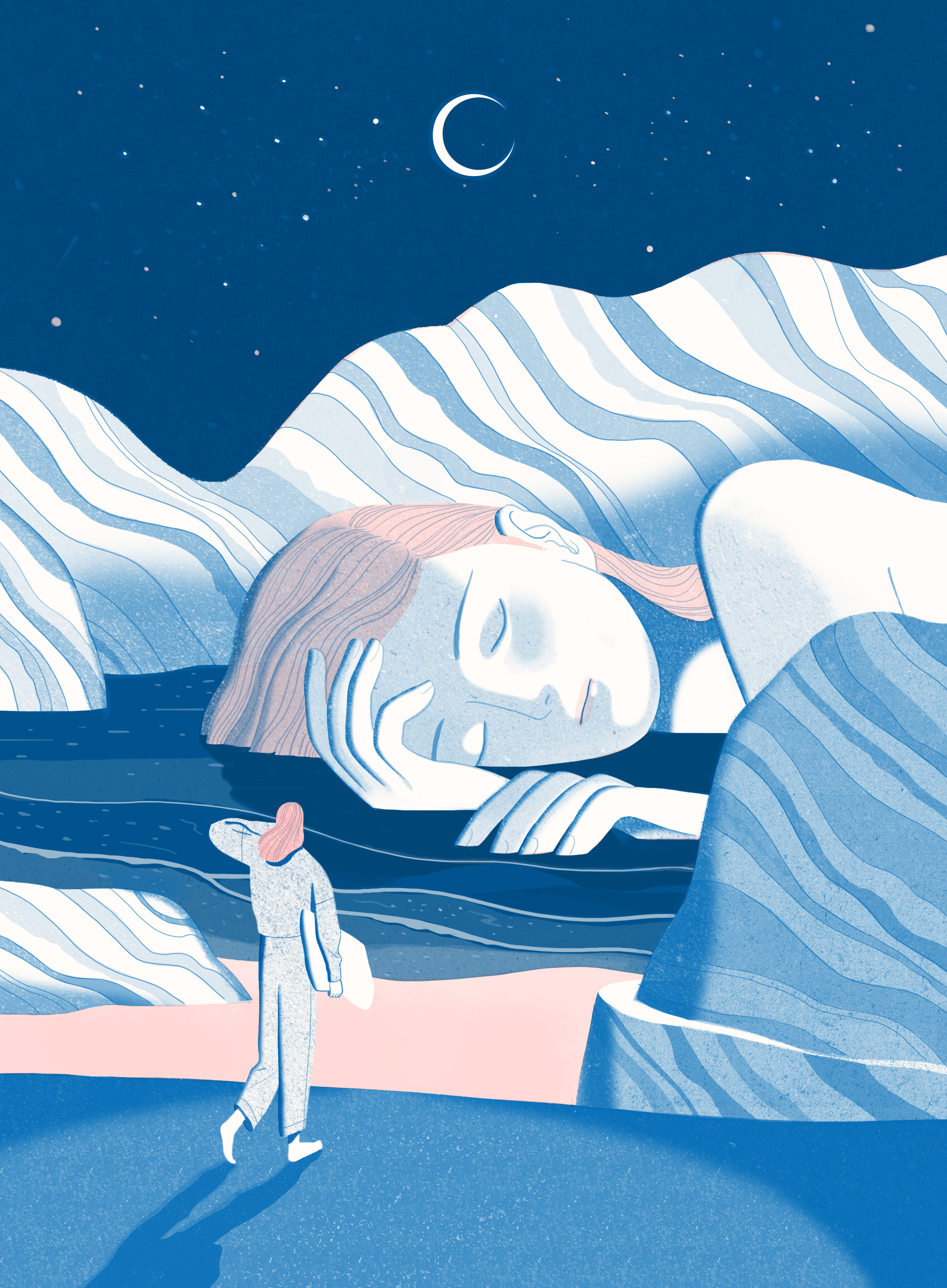
The value of sleep can’t be overstated; insufficient sleep impacts how we feel, behave, and interact the next day. Not only are we left to the mercy of it’s short-term effects, lack of sleep for days, weeks, months can also lead to long-term health problems:
Increased cravings and hunger which can lead to excessive eating and weight gain
Mood changes (ie. irritability)
Difficulty concentrating and poorer memory retention
Higher chance of injury due to slower reflexes and compromised coordination
Weakened immunity and prolonged recovery from injuries or training sessions
Chronic health diseases (ie. increased risk of heart and kidney diseases, high blood pressure, diabetes, stroke)
Listen to your body when you need to rest and do your best to achieve the current guidelines for sleep per night for the following age groups:
9–11 hours for children ages 5–13 years old
8–10 hours for children 14–17 years old
7-9 hours for adults 18 years old and up
If you’re not getting enough sleep, or wish to change the quality of your sleep, take small steps to build a better nighttime ritual to bring you the rest you need. Try the following tips for sounder sleep:
-
Just as you set aside time for a meeting, class, training, or socializing, do the same for sleep. The more active you are in the day, the more rest needed. Make it habitual, and try to go to bed at the same time each night that allows you to rest before the next day. It helps to also start your bedtime routine 30 to 60 minutes before you intend to sleep.
-
Caffeine and alcohol can ruin a good night’s sleep. Cut out caffeine after 1 p.m.; the more sensitive you are to the effects of caffeine, the earlier you should cut it out. Alcohol may make you sleepy, but the quality of your sleep will be poor, leaving you lethargic and dehydrated the next day. Opt instead for a relaxing beverage like chamomile tea or warm milk.
-
Blue light from smartphones, tablets, and computers delays the natural production of melatonin which is responsible for the feeling of sleepiness.
Instead of scrolling before bedtime, opt for a non-digital ritual: read a book, write, or meditate.
-
Make your room calm, dark, and quiet:
• Wear a sleeping mask, earplugs, or noise-canceling headphones to create a spa-like environment
• Get blackout shades/blinds/curtains to minimize light from outside getting into your room
“We need time to defuse, to contemplate. Just as in sleep our brains relax and give us dreams, so at some time in the day we need to disconnect, reconnect, and look around us.”
L A U R I E C O L W I N
-
Nisevich Bede, Pamela. “Fuel the Fire: A Nutrition and Body Confidence Guidebook for the Female Athlete.” Penguin Random House LLC. 2022.
Government of Canada. “Are Canadian children getting enough sleep? Infographic.” Publications: Healthy Living. 2019.
Pachecho, Danielle & Kimberly Truong. “How Electronics Affect Sleep.” Sleep Foundation. 2023.
Statistics Canada. “World Sleep Day.” StatsCAN Plus. 2022.